Materials Science and Engineering Prospective Students Current Students Majors Athletics Alumni and Friends Parents Faculty and Staff Search A2Z Michigan Tech Materials Science and Engineering Physical Metallurgy

Physical Metallurgy

Materials Characterization

MY3200 Materials Characterization I: Archive
John Pilling

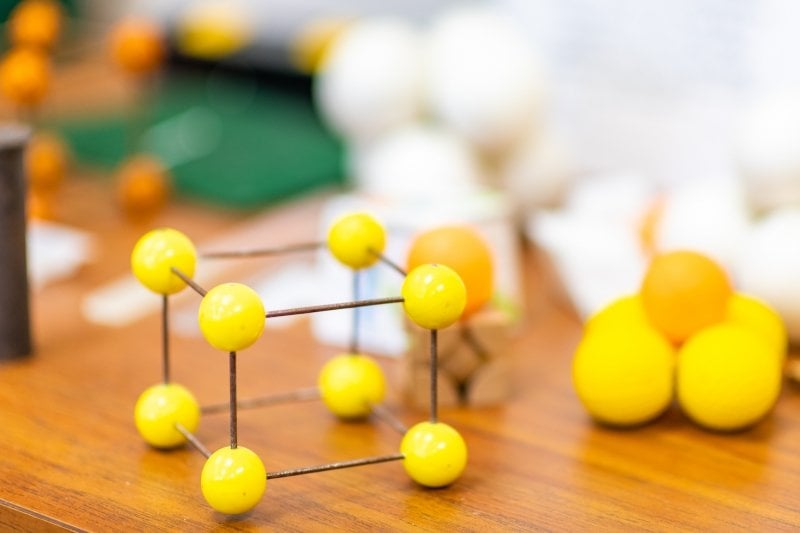
Fundamentals of microstructural and chemical characterization of materials. Examines the physical principles controlling the various basic characterization techniques. Topics include crystallography, optics, optical and electron microscopy, diffraction and spectroscopy. Laboratory focuses on proper operational principles of characterization equipment, which includes optical and other microscopy methods and various diffraction techniques.

Composite Materials

MY4150 Composite Materials Design: Archive
John Pilling

This class aims to teach the origin of the mechanical behaviour and the manufacturing of modern composite materials. Each section includes a number of problems that you might like to try. Most of the problems are easily solved using MathCad and I have included in the index on this page links to those documents so that you may explore the world of designing new composite materials. Some of the concepts can be explored using the Java applets included with notes.

Counter Gravity Casting

A Look Into Casting Metal: DOC | PDF
Dave Hunt, MSE, MTU

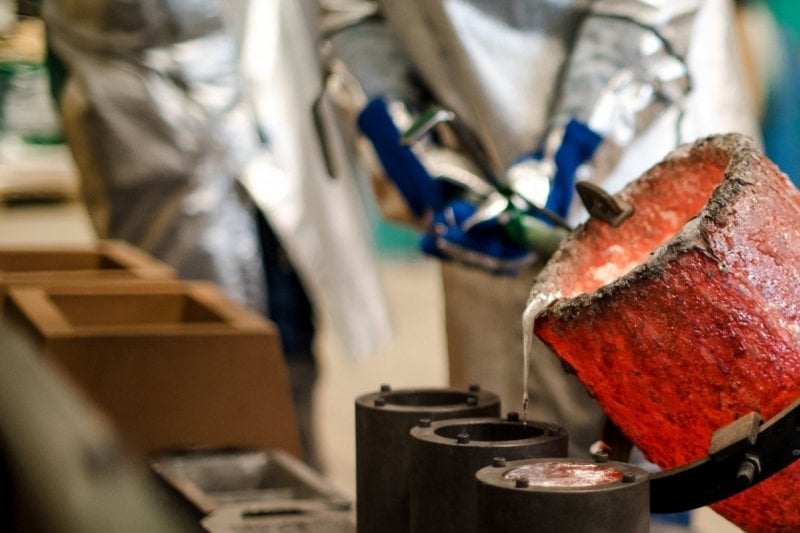
Metal casting is an important component of industrial production. It allows for the creation of near-net shape or near-finished products, decreasing the amount of material removed to make a finished product. Being such an important aspect of industry, many different approaches have been developed for the casting of metal. The following is intended to be a short overview of a number of processes used for the casting of both ferrous and non-ferrous metals.

Investment Casting

Casting Processes: PPT | PDF
Dave Hunt, MSE, MTU

A look into Melting and Casting Metal

Contour Illustration

MY4130 Metal Casting and Solidification: Archive
Prof. Karl B. Rundman, MSE, MTU

Principles of metal casting, including melting practice, casting design, mold design, heat transfer and solidification, fluid flow and gating design. Introduction to computer simulation techniques for mold filling, solidification, and development of residual stress. Structure-property relations in cast metals. Recycling and environmental issues of the cast metals industry.

Metal Casting

MY4130 Principles of Metal Casting Textbook (PDF)
Prof. Karl B. Rundman, MSE, MTU

The metal casting process is the simplest, most direct route to a near net shape product, and often the least expensive. This process in its fundamental form requires a mold cavity of the desired shape and molten metal to pour into the mold cavity. Humans beings have been producing castings for thousands of years, most often pouring molten metal into molds made of sand.